
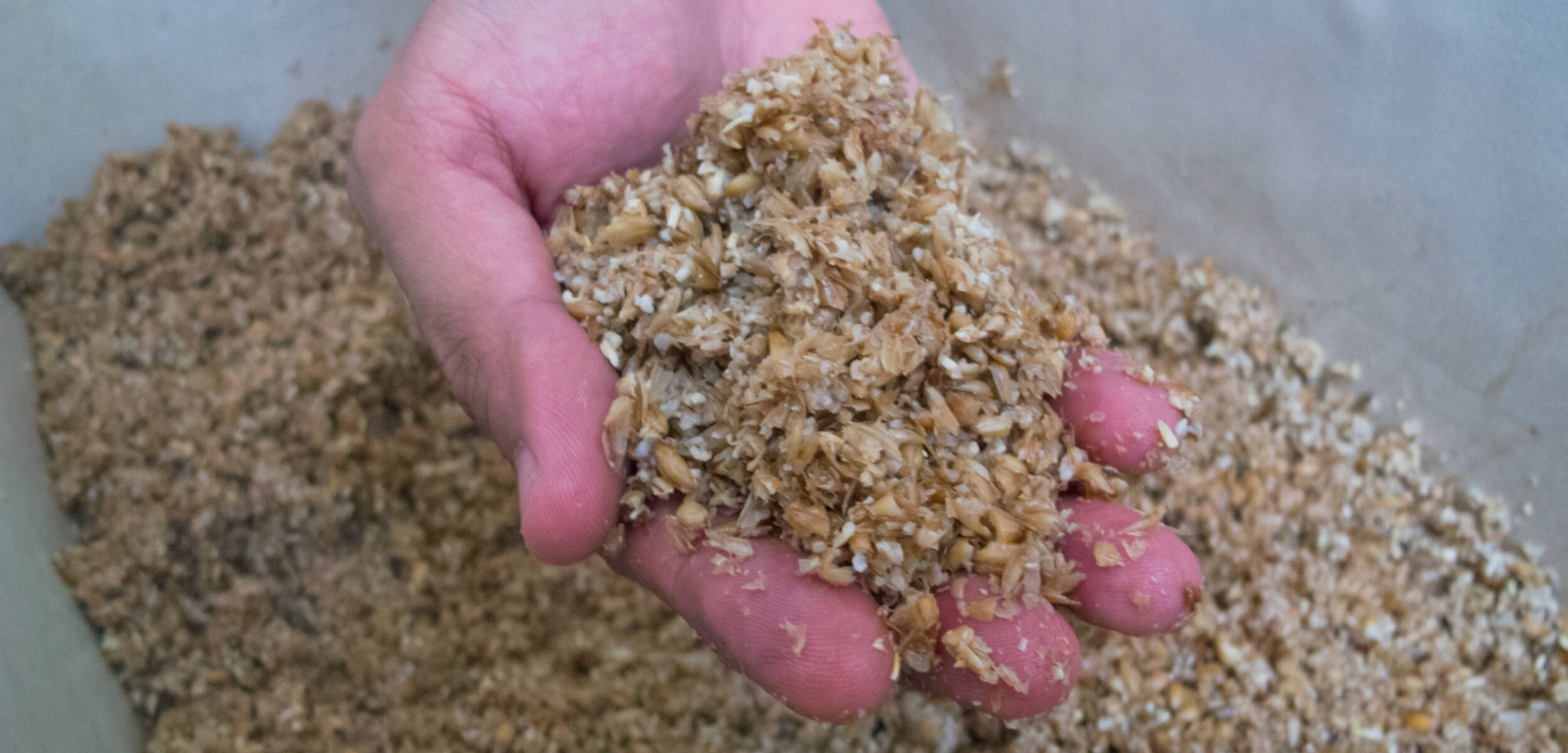
Biomass Valorisation
Creating new opportunities to valorise biomass and agricultural and food co-products.
Biomass Valorisation
Biomass valorisation encompasses all processes and practices that transform organic materials of plant, animal or microbial origin into high-value products. Its aim is to optimise the use of biological resources while reducing waste and minimising environmental impact.
The goal is to promote a systemic approach centred on circularity and sustainability by integrating organic residues into new value chains.
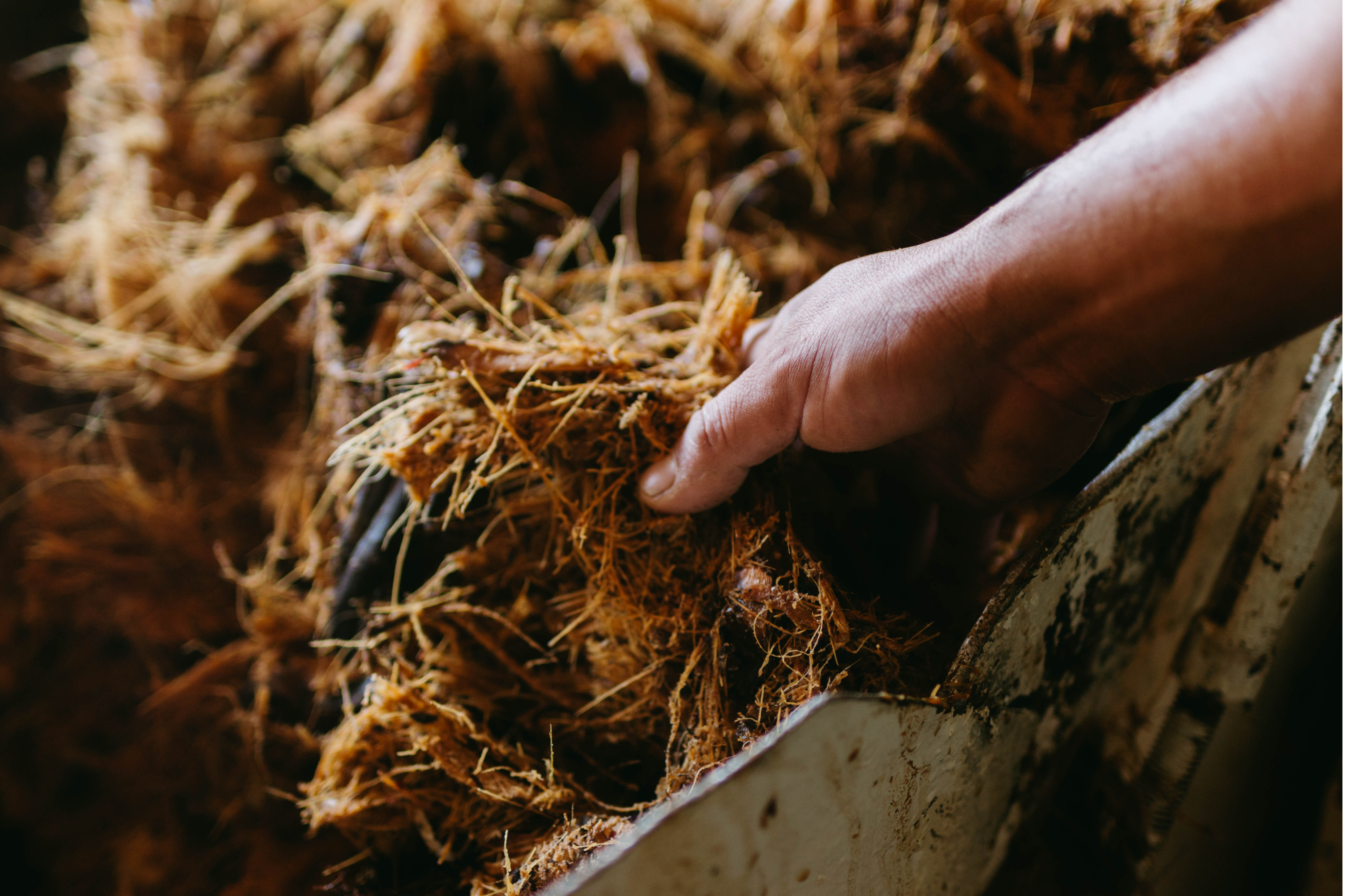
Where Does Biomass Come From?
Valuable biomass can come from a variety of sources:
Agricultural waste: crop residues (straw, stalks and leaves) and livestock by-products (slurry and manure).
Agri-food industry by-products: fruit, vegetable and cereal residues, as well as by-products from meat and dairy processing.
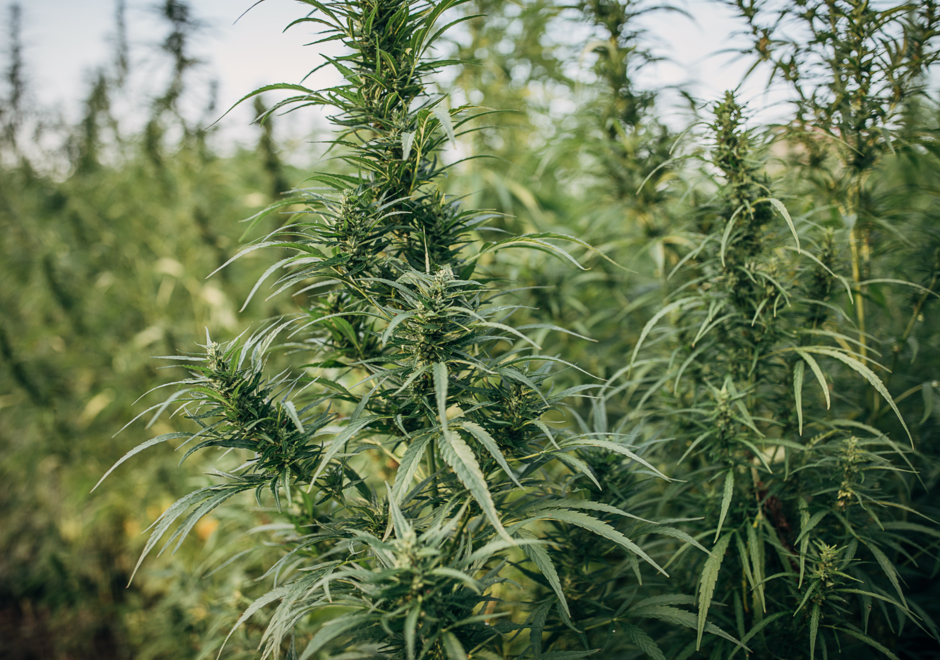
- Dedicated crops: plants grown specifically to produce energy or bio-based materials (e.g. maize for biogas, hemp for fibres).
Why Valorise Biomass?
Less waste, greater impact: Giving organic residues a second life helps reduce waste and improve the circularity of agricultural systems.
A driver of the green transition: Reduce dependence on fossil fuels and chemical inputs.
- New economic opportunities: Turning by-products into marketable resources creates new business opportunities for farmers and the agri-food industry.
Découvrez les projets soutenus par Fribourg Agri&Food qui participent à la valorisation de la biomasse!
Milky Whey
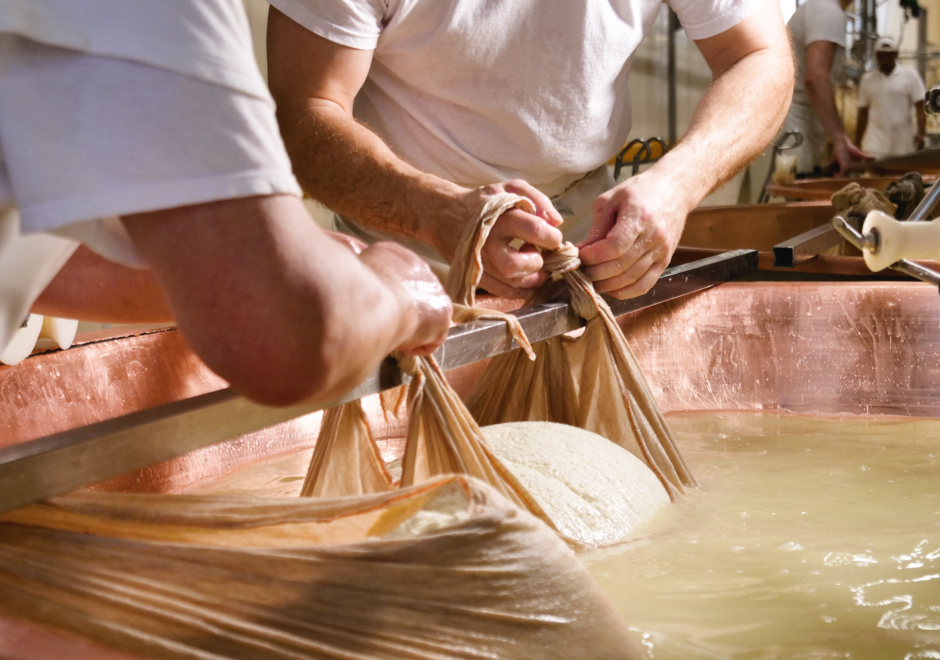
Transform whey into biogas to help cheese dairies become more energy self-sufficient and reduce their carbon footprint.
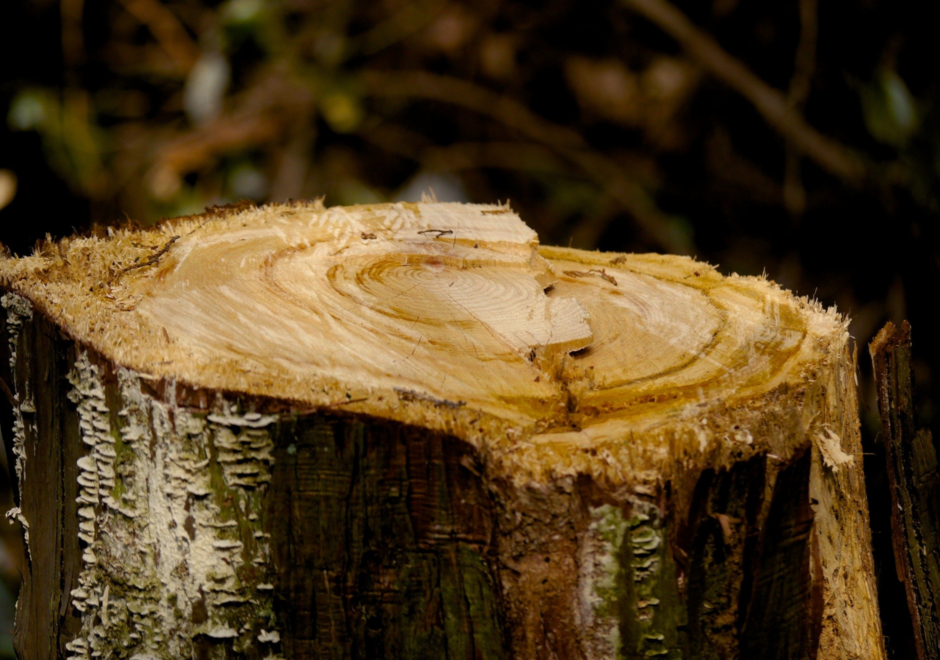
Lignin as an Innovative, Sustainable and Safe Crop Protection Ingredient
Unlock the potential of a natural wood-derived compound to develop sustainable crop protection solutions.
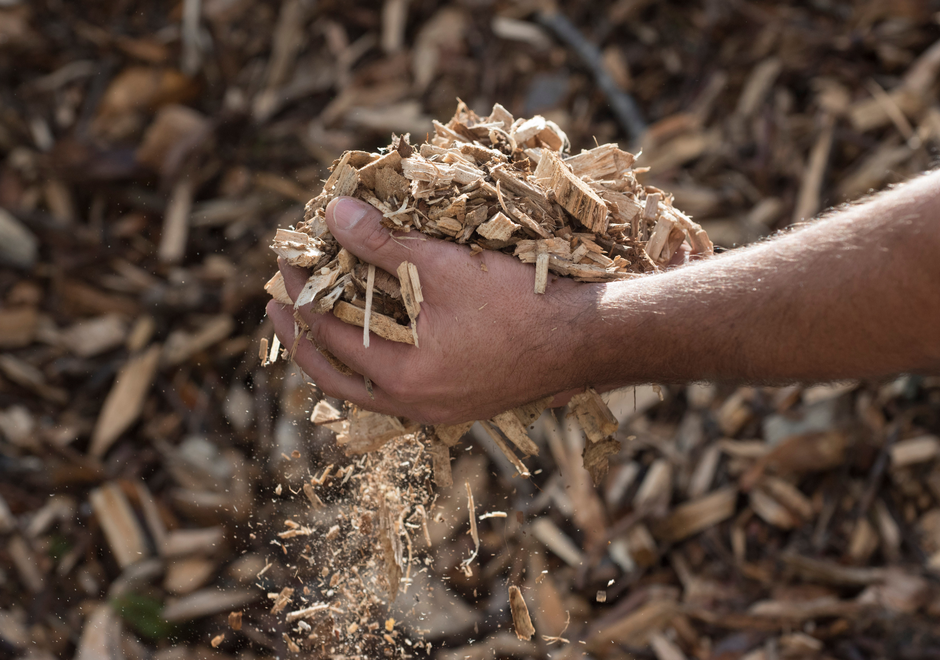
Lignin: A Natural, Sustainable Ingredient for Crop Protection
Develop a natural alternative to chemical pesticides using biomass-derived resources.
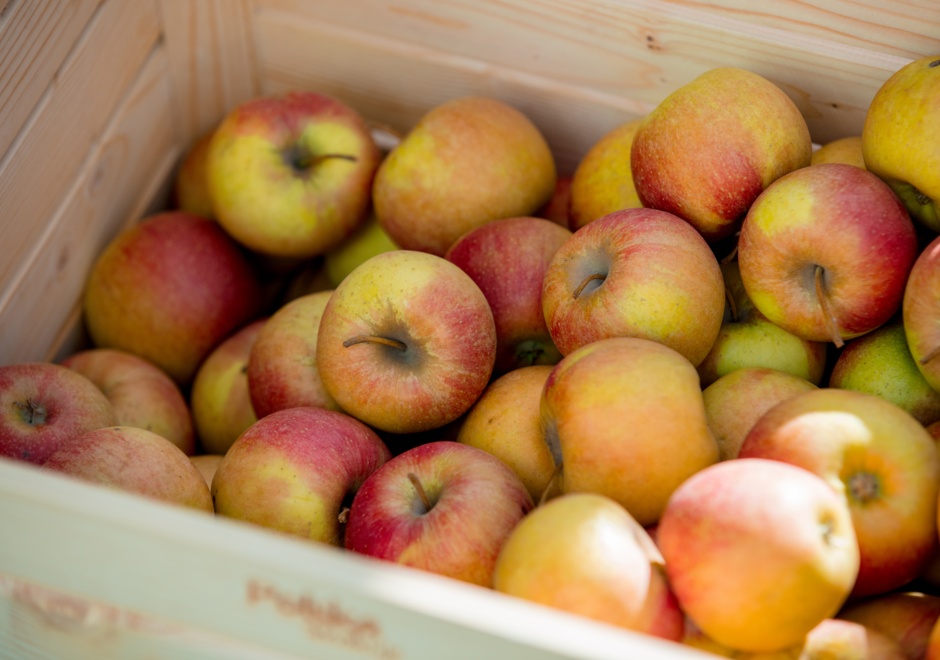
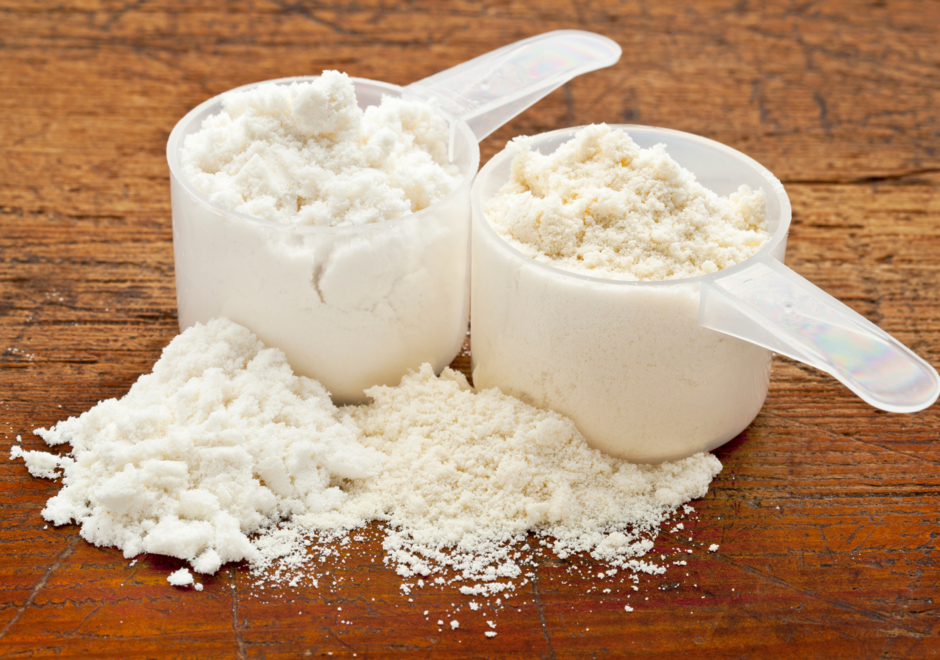
A Delicious Second Life
Transform a by-product of the cheese industry into vinegar, reducing its environmental impact while creating new value.
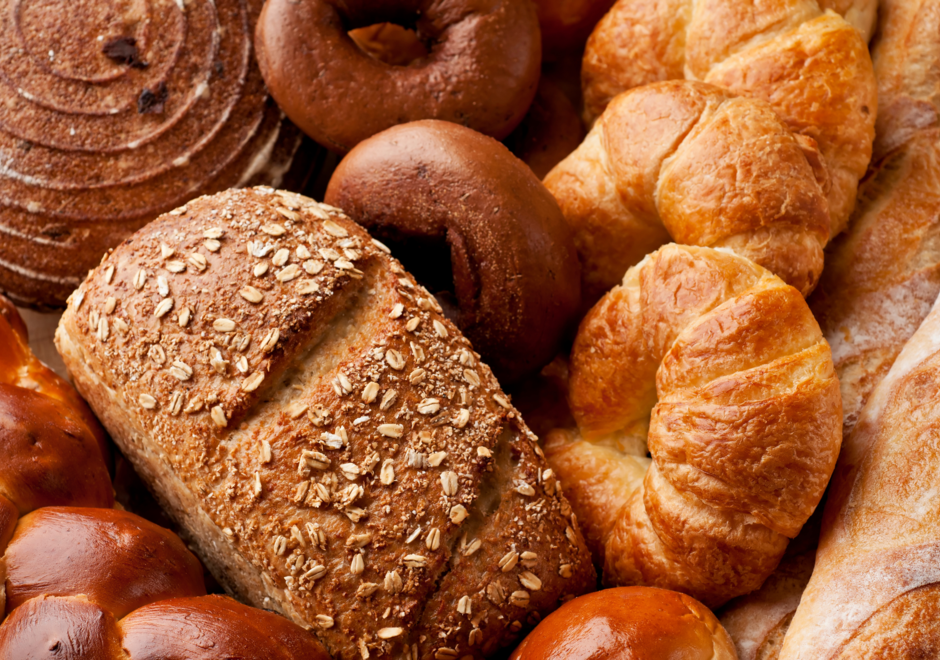
Upcycling Bakery By-products and Unsold Goods
Give unsold bakery products a second life by transforming them into innovative, sustainable food products.
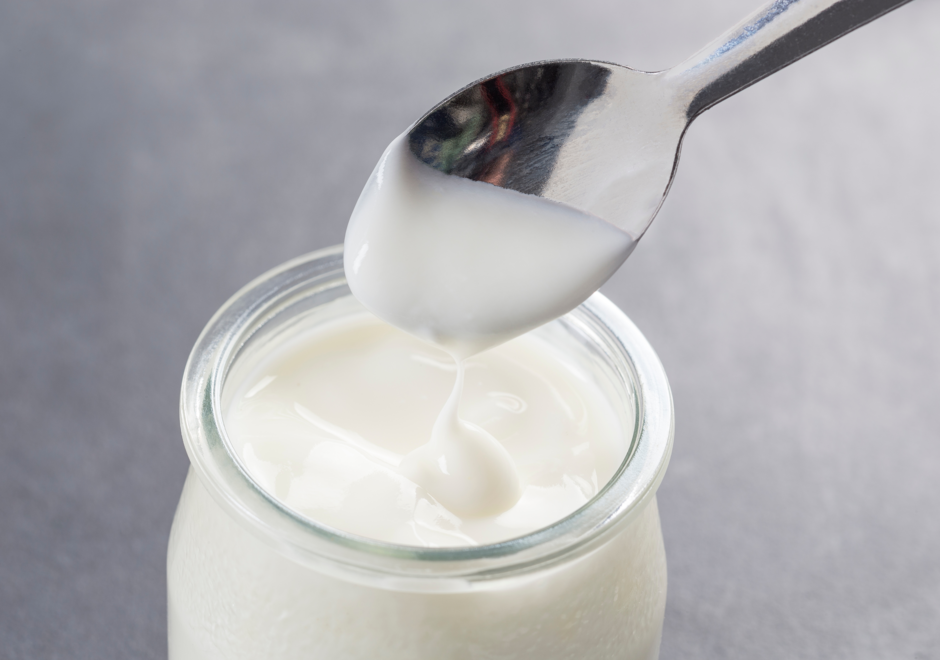
Whey2Dessert
Transform whey into an innovative dairy dessert to unlock the value of a by-product of the cheese industry.
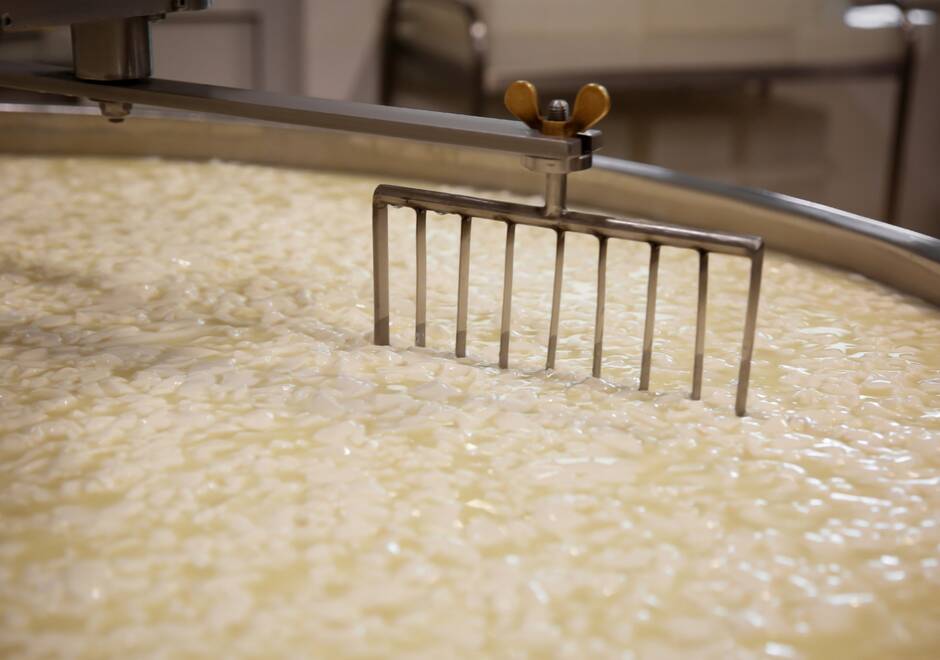
Unlocking the Value of Cheese Whey
Turn whey into a source of energy and valuable materials, supporting a more sustainable dairy industry.
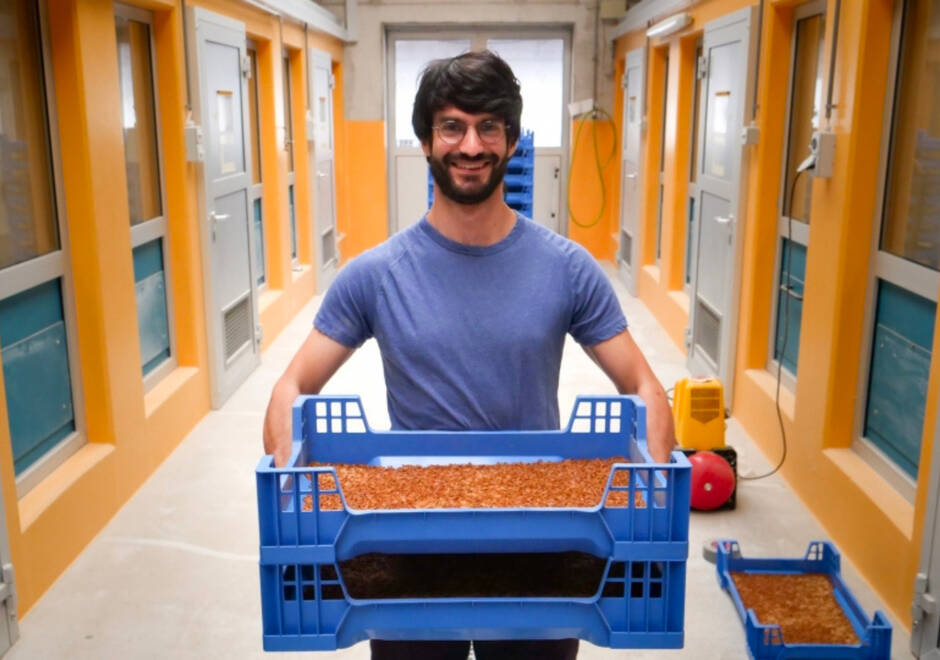
Sustainable Fertilizer from Insect Frass
Lowimpact Food is developing a natural fertilizer made from insect frass, unlocking the value of locally sourced by-products through a circular and sustainable approach.
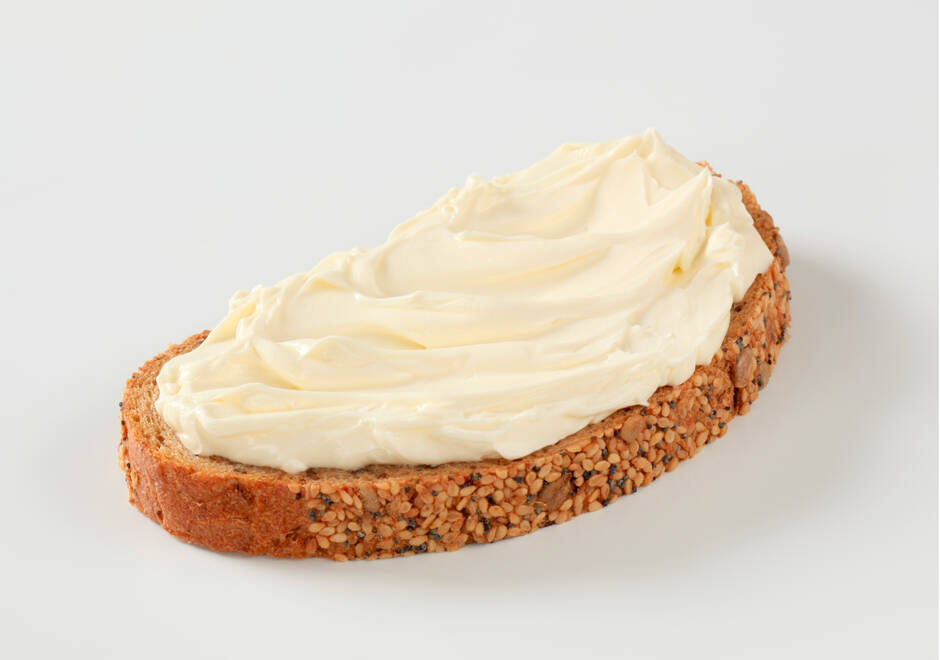
Local whey valorisation
Translait and Milco SA add value to whey from Fribourg's cheese dairies by developing new food products as part of a local circular economy.